If you've noticed more hair in the shower drain or your brush since starting a GLP-1, you're not imagining it, and you're not alone. Here's what's actually going on, and what's worth doing about it.
The timing is genuinely unpredictable
Community reports describe shedding starting anywhere from around seven weeks in to several months in — and sometimes it doesn't start until after stopping the medication. That range is wide, and it's one of the more disorienting parts of this side effect: most people don't expect a symptom to show up weeks after a change, or after they've already stopped.
It also doesn't seem to require a high dose or dramatic weight loss. People report it at low, slow-titrated doses just as often as at higher ones.
The likely mechanism: it's usually about intake, not the drug itself
This kind of diffuse shedding — where hair thins gradually rather than falling out in patches — is a well-documented response to rapid changes in weight, calorie intake, or nutrient intake, and it isn't unique to GLP-1s. Any sufficiently fast weight change can trigger it.
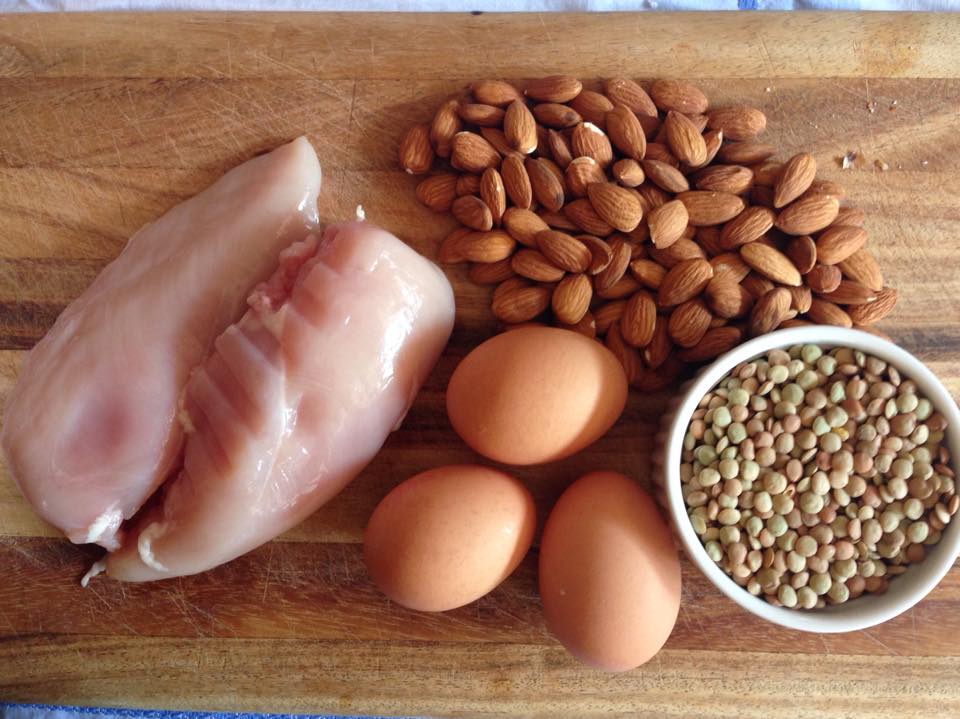
What's specific to GLP-1s is how intake tends to drop. These medications suppress appetite fastest for the foods that take more effort to eat — often protein-heavy foods — so protein is frequently the first thing to fall off, sometimes without anyone noticing it's happening. Hair growth is particularly sensitive to inadequate protein, since hair follicles aren't a priority for the body when protein is scarce.
Community members who've dealt with this consistently point to the same thing: not a scary reaction to the drug, but an easy-to-miss side effect of eating less overall, and less protein specifically.
What tends to help
- Protein intake, prioritized deliberately. We're not going to hand you a target number — that's a conversation for your prescriber or a dietitian, since it depends on your body and your medical history. But it's worth explicitly asking about, rather than assuming you're getting enough just because you're eating.
- Patience. Regrowth is typically described as slow, and the reported shedding window is often around 12 weeks. It's not usually permanent.
- Ruling other things out. If shedding is severe, sudden, or patchy rather than diffuse thinning, that's worth a real appointment — thyroid issues, iron deficiency, and other causes can look similar and are worth excluding rather than assuming it's the medication.
Supplements like collagen or biotin come up constantly in community discussion. We're not going to tell you they don't work — the honest answer is the evidence for them in this specific situation is thin, and they're not a substitute for actually addressing intake if that's the real driver.
The bigger picture
Inadequate intake — not just of protein, but overall — shows up repeatedly in what people describe alongside hair loss: fatigue, dizziness, and feeling "wrung out" often travel together with it. If you're experiencing more than just hair shedding, that's a stronger signal to loop in your prescriber sooner rather than later.