Reduced appetite is the intended effect of a GLP-1 medication — most people describe it as the medication finally working, not a side effect to manage. But it comes with a real risk worth naming plainly: it's easy to end up eating less than your body actually needs without realizing it.
The pattern worth watching for
Appetite suppression can outpace how much food your body still needs, especially early on. A recurring theme in community discussion is people going most of a day forcing down only a little food, without registering how far below their needs they've dropped — because the hunger cue that would normally tell them simply isn't there anymore.
Fatigue, dizziness, and hair shedding often travel together with a very reduced appetite, and usually point back to the same root cause: not eating enough, not a separate, unrelated problem.
What's reported to help
- Treating meals as scheduled, not hunger-triggered — eating at set times rather than waiting to feel hungry, since that cue may not show up reliably anymore.
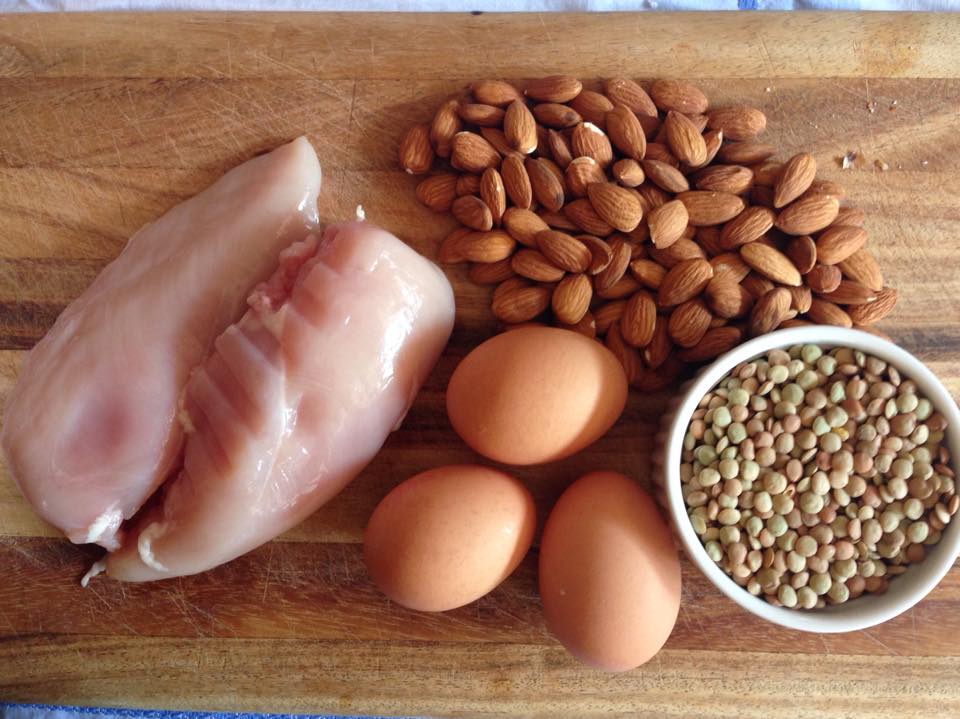
- Prioritizing protein and fluids specifically, since they're often the first things to drop when overall intake falls.
We're not going to give you a calorie or protein target — that's a conversation for your prescriber or a dietitian, since it depends on your body and history. But "am I actually eating enough" is worth asking explicitly, rather than assuming less is fine just because the medication is doing its job.